独立女性,为什么要读”Surrendered Wife“
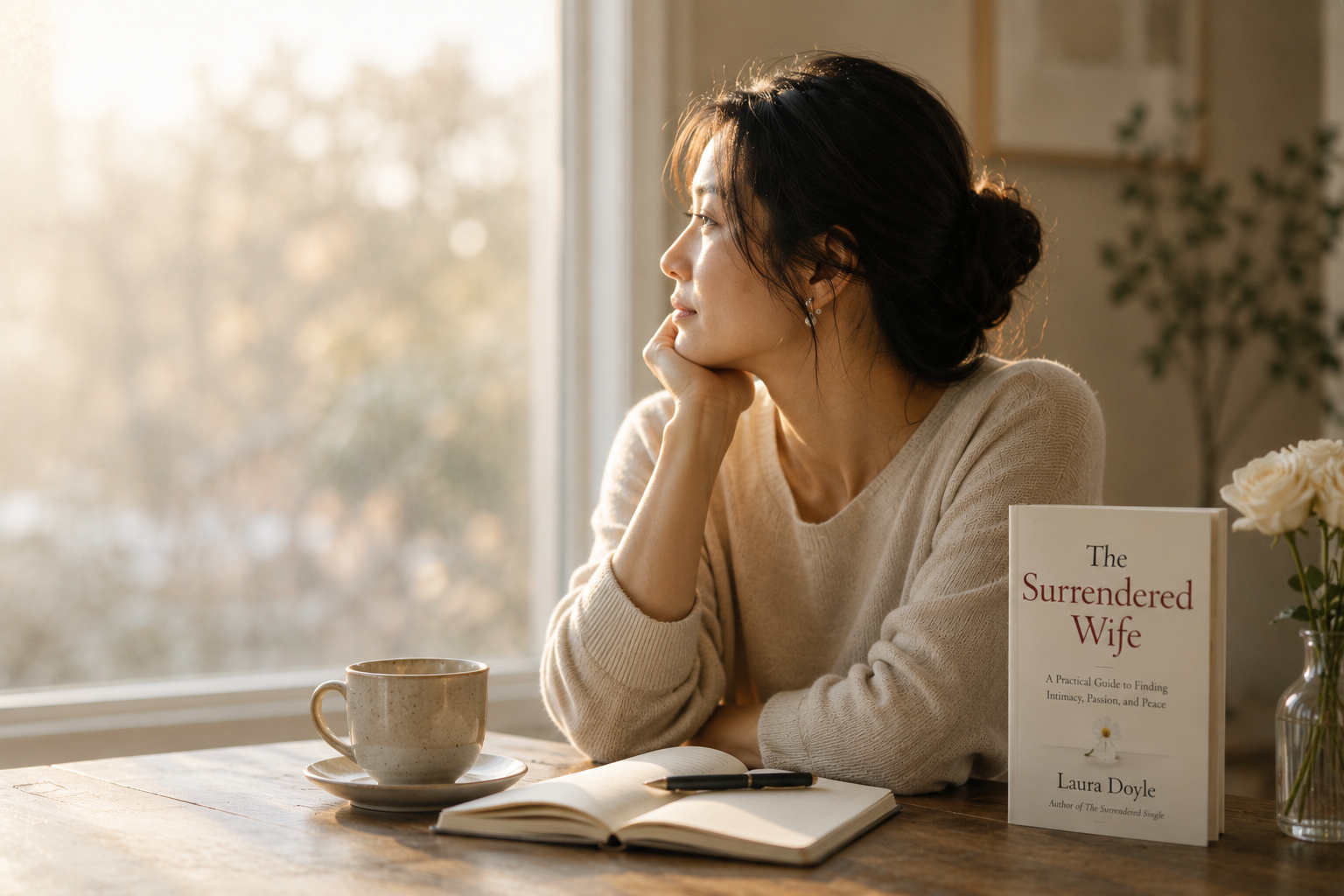
今天要分享一下美国作家 Laura Doyle 的畅销书《The Surrendered Wife》(臣服妻子)。这是美国二十多年来最有具争议的一本书。有人说,她拯救了无数濒临破裂的婚姻;也有人认为,她的观点让女性回到了几十年前,鼓励女性放弃独立、迎合丈夫。
我其实也是被这本书的书名吸引过去的,但是读了之后,我发现她并不是在告诉女性如何成为一位"臣服的妻子",而是在挑战我们每个人几乎从来没有怀疑过的一种思维方式:如果夫妻关系出现了问题,我们为什么总认为应该改变的是自己的丈夫,而不是自己?
那么为什么现代女性要接受这样的理念呢?我觉得作者真正反思的并不是女性应该如何对待丈夫,而是一个更加普遍的人性问题 - 我们为什么如此执着于改变别人? 如果把"丈夫"和"妻子"这两个词拿掉,你会发现,她讨论的其实适用于所有关系:夫妻之间如此,父母与孩子如此,领导与员工如此,甚至朋友和合作伙伴之间,也是如此。因为在人际关系中,我们几乎都有一个共同的假设:只要对方能够改变一点,我们的生活就会轻松一点,我们的关系也会幸福一点。
年轻的时候,我觉得自己有事业,经济独立,也相信爱上一个人后,完全有能力也帮助他成为一个更好的人。于是在我的第一段婚姻里,我总是想把我的前夫变得更好,不断提醒他要健康饮食、要穿我觉得得体的衣服,甚至帮助他·找工。在我看来,这些都是关心,也是我的责任。但是我后来才意识到,当我们觉得是在帮助丈夫成长之时,他感受到的却是批评与否定,还有那种"无论我怎么努力,都永远达不到你的标准"的挫败感。事实也是如此,后来我们俩的关系越来越疏远,最后导致了离婚。
对于夫妻之间的问题,劳拉在她的书里问了这样一个问题。"你究竟更想要控制,还是更想要亲密关系?"这个问题真的让我思索了很久,也许我第一次意识到,我自己每天都在努力改变丈夫,却从来没有认真想过,真正需要改变的人,会不会是自己。
那么为什么几乎所有人都会不自觉地想要改变别人?劳拉在书里说了这样一句话:"Control comes from fear."(控制,其实来自恐惧)。
父母不停地提醒孩子,是因为害怕孩子走错路;领导不断检查团队,是因为害怕项目失败;伴侣不断提出建议,是因为害怕关系越来越远。我们之所以想控制别人,并不是因为喜欢权力,而是因为害怕失去掌控。当事情的发展超出自己的预期,当别人做出了与自己不同的选择,我们便会产生一种焦虑,于是开始提醒、纠正、安排、干预,希望事情重新回到自己熟悉的轨道。因此表面上,我们是在帮助别人,实际上,我们是在缓解自己的不安全感。控制,看似是一种能力,很多时候却只是恐惧换了一种表现方式。
当我进入第二段婚姻的时候,我已经50岁了。那时候,我的事业比年轻时更加稳定,经济上也更加独立,按理说,我比过去更有能力坚持自己的想法,也更有底气要求别人配合我。然而,经历了第一段婚姻的失败之后,我终于开始明白,一段关系的幸福,并不是来自两个人不断改变对方,而是来自彼此愿意理解和接纳对方原本的样子。
所以,在这段婚姻里,我不再把心思放在如何改变先生,而是开始学习如何与他的性格、习惯和处事方式相处。只要不牺牲自己的尊严或放弃自己的原则,那些无关原则、只是生活方式不同的地方,我开始愿意调整自己,尝试用一种更温和、更包容的方式去回应他,也就是说,我在让自己学会如何被他爱。
当然这个过程并不容易。对于一个一直独立自主、习惯掌控自己人生的我来说,最大的挣扎并不是改变,而是心里常常会冒出同一个问题:"为什么是我要改变?“但后来我慢慢意识到,在任何一段关系里,我们唯一真正拥有决定权的,始终只有自己。我们无法要求他去改变,却可以决定自己用什么方式回应;我们无法掌控他的选择,却可以选择自己成为一个怎样的人。这并不是认输,更不是委曲求全,真正能够影响一段关系的,从来不是要求别人变成我们期待的样子,而是自己先成为那个更温暖、更自信、更有力量的人。而这样的夫妻关系,也会变得更加亲密贴心。
管理大师彼得·德鲁克曾经说过一句话:"我们无法管理别人,除非先管理自己。"也许,这句话和Laura想表达的,并没有本质上的区别。无论是在婚姻、家庭、团队,还是企业管理中,我们最大的错觉,都是认为改变别人比较容易;而最大的成长则是终于承认,唯一真正能够改变的人,始终只有自己。当我们终于放下"一定要改变别人"的执念时,我们失去的,只是一种虚假的掌控感;而得到的,却是真正的自由,以及一种更加成熟的人生智慧。
Why Every Independent Woman Should Read The Surrendered Wife
Today I'd like to share my thoughts on The Surrendered Wife by American author Laura Doyle. Over the past two decades, it has become one of the most controversial relationship books in the United States. Some people believe it has saved countless marriages on the brink of collapse, while others argue that it encourages women to return to outdated gender roles by giving up their independence and accommodating their husbands.
I was initially drawn to the book because of its provocative title. But after reading it, I realized that Laura Doyle is not really teaching women how to become a "surrendered wife." Instead, she is challenging a way of thinking that most of us rarely question: when a marriage is struggling, why do we automatically assume that it is our spouse who needs to change, rather than ourselves?
Why, then, would a modern, independent woman embrace this philosophy? I don't think Laura Doyle's real message is about how women should treat their husbands. Rather, she is asking a much broader question about human nature: Why are we so determined to change other people? If you remove the words "husband" and "wife," you'll find that her ideas apply to almost every relationship in our lives - between parents and children, leaders and employees, friends, business partners, and even colleagues. We all seem to share the same assumption: if the other person would just change a little, our lives would become easier and our relationships would become happier.
When I was younger, I had a successful career, was financially independent, and genuinely believed that if I loved someone, I had the ability, and perhaps even the responsibility, to help him become a better person. During my first marriage, I was constantly trying to improve my former husband. I reminded him to eat healthier, encouraged him to dress in ways I thought were more appropriate, and even helped him look for a job. To me, these were acts of love and care. I believed I was simply fulfilling my role as a supportive wife.
It wasn't until much later that I realized something very different was happening. While I thought I was helping my husband grow, what he actually experienced was constant criticism and disapproval, the feeling that no matter how hard he tried, he would never be good enough to meet my expectations. Unsurprisingly, our relationship grew more distant over time, and eventually our marriage ended in divorce.
In her book, Laura Doyle asks a simple but powerful question: "What do you want more: control or intimacy?" That question stayed with me for a long time. I began to wonder whether I had spent so much energy trying to change my husband that I had never seriously considered whether I might be the one who needed to change.
So why do so many of us instinctively try to change other people? Laura Doyle offers a great, insightful answer: "Control comes from fear."
Parents constantly remind their children because they are afraid they will make the wrong choices. Leaders closely monitor their teams because they fear projects will fail. Partners offer endless advice because they worry their relationships are drifting apart. We don't try to control others because we enjoy having power over them; we do it because we are afraid of losing control. Whenever life unfolds differently from what we expected, or when someone makes choices we wouldn't make ourselves, anxiety begins to surface. We respond by reminding, correcting, organizing, advising, and intervening, hoping to bring everything back onto a path that feels familiar and safe. On the surface, it looks like we are helping others. In reality, we are often trying to soothe our own insecurities. Control may appear to be a strength, but many times it is simply fear wearing a different disguise.
By the time I entered my second marriage, I was already fifty years old. My career was more established, and I was more financially independent. Logically, I should have more confidence to stand by my opinions and expect others to adapt to me. Yet after the failure of my first marriage, I finally came to understand that the happiness of a relationship does not come from two people constantly trying to change each other. It comes from learning to understand and accept each other as we are.
This time, I stopped focusing on how to change my husband. Instead, I began learning how to live with his personality, his habits, and his way of approaching life. As long as it did not require me to sacrifice my dignity or compromise my core values, I became willing to adjust myself in areas that were simply differences in lifestyle or perspective. I learned to respond with greater patience, kindness, and understanding. In other words, I was learning how to allow myself to be loved by him.
That process was far from easy. As someone who had always been very independent and accustomed to taking charge of my own life, my greatest struggle wasn't making changes; it was repeatedly asking myself, "Why do I have to change? Why isn't he the one changing?" Over time, however, I realized something profoundly important. In any relationship, the only person we truly have the power to change is ourselves. We cannot force another person to become different, but we can choose how we respond. We cannot control another person's decisions, but we can decide the kind of person we want to become.
This is not about giving in or losing ourselves. Nor is it about sacrificing our dignity to preserve a relationship. Rather, it is about recognizing that lasting change in any relationship rarely comes from demanding that someone else become the person we wish they were. Instead, it begins when we become warmer, more confident, more self-aware, and stronger ourselves. Ironically, when that happens, the relationship often becomes closer, healthier, and more intimate as well.
Management guru Peter Drucker once said, "You cannot manage other people unless you first manage yourself." I believe that, at its core, this is exactly what Laura Doyle is trying to say. Whether in marriage, family, leadership, or business, our greatest illusion is believing that changing other people is easier than changing ourselves. True growth begins when we finally accept that the only person we can genuinely transform is ourselves. And when we let go of the need to change everyone around us, what we lose is merely the illusion of control, but what we gain is genuine freedom and a far deeper sense of wisdom.