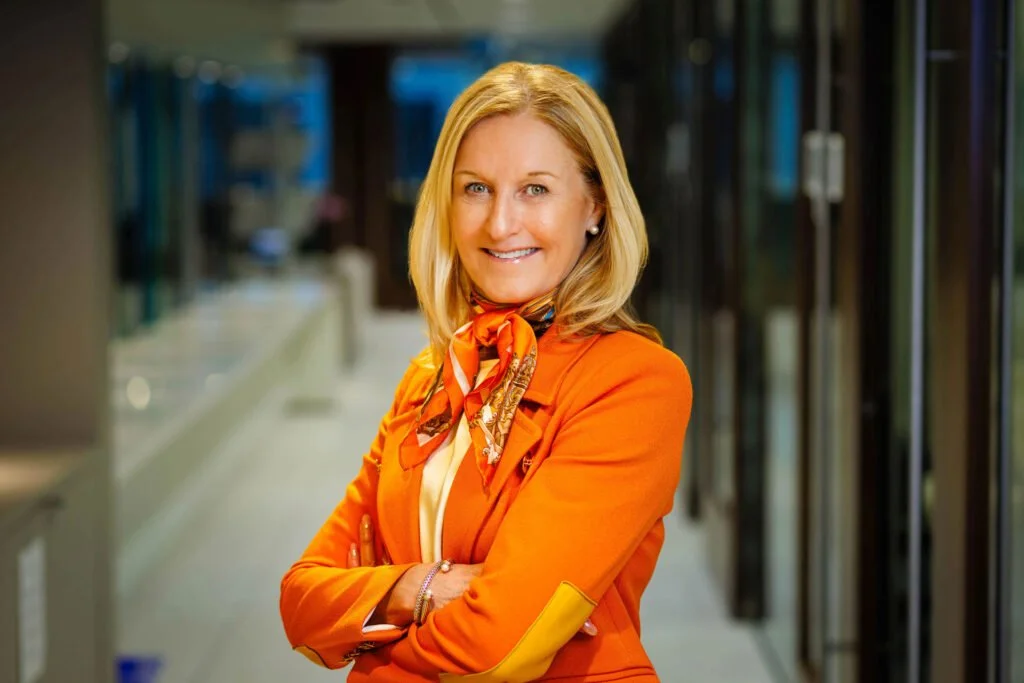
最近,我采访了加拿大资深女性商业领袖 Deborah Rosati。她的职业生涯跨越了会计、企业管理、风险投资、公司董事会和创业。如今,她也致力于帮助更多女性进入董事会,获得更多领导机会。
虽然我们的成长背景和职业道路并不完全相同,但在听她讲述人生经历时,我却有很多似曾相识的感觉。尤其是她对职业选择、个人能力、领导力和个人品牌的理解,有不少值得分享的智慧。
有时候,知道自己不想做什么,和知道自己想做什么同样重要
Deborah 把自己的职业生涯分成三个阶段:为人生事业做准备、投入人生事业,以及回馈社会。
她说自己年轻时并没有一份宏伟的职业规划。她从会计起步,后来成为一家初创科技公司的首席财务官,参与了企业从创立、成长到最终成功出售的全过程。公司被收购后,她原本有机会加入收购方,但她知道那不是自己想走的路。虽然当时并不清楚下一步要做什么,她还是决定结束这个阶段。后来,曾经投资这家公司的投资人邀请她加入风险投资行业,她由此开启了职业生涯的新篇章。
总结这段职场经历,Deborah 说:“有时候,知道自己不想做什么,和知道自己想做什么同样重要。没有人会发给你一份通知,告诉你人生的某个阶段已经结束。有时候,你自己就是知道。”
职业发展未必是一条事先规划好的直线。有时候,我们需要相信自己的判断,即使还没有找到下一扇门,也可以勇敢地关上已经不适合自己的那一扇。
不要让别人来定义你的能力
20世纪80年代,Deborah 刚进入会计行业时,女性专业人士还很少,女性领导者更是凤毛麟角。她回忆说,当年一位资深男性合伙人曾直言,她永远不可能成为注册会计师。但这样的否定并没有让她退缩。因为从小父母就鼓励她相信自己,勇敢追求想要的人生,不要让别人的偏见限制自己的可能性。
她还分享了一个有趣的经历。有时走进会议室,别人会想当然地把她当作秘书。面对这样的误解,她并不急于解释,反而会在心里微微一笑:“你根本不知道我是谁。” 对她来说,真正的自信不是急于证明自己,而是清楚地知道自己的能力和价值。
她说,职业生涯早期的这些经历,让她逐渐明白,面对质疑,不必急于反驳,也不需要拼命向别人证明自己。真正重要的是相信自己的能力,清楚自己付出的努力,并用实际行动说话。这些经历不仅让她变得更加坚韧,也让她更加相信充分准备、持续努力,以及始终如一地做好每一件事的重要性。别人的判断不一定能够反映你的能力,更不应该成为你人生的限制。
真正的领导力,不是头衔,而是影响力
Deborah 在访谈中提到一句她经常说的话:“Lean into your power”,也就是学会主动发挥自己的影响力。她认为,真正的力量不是向别人展示自己拥有多大的权力,而是能否运用自己的能力和判断,影响决策、推动改变。
多年来,她参与过许多重要的董事会决策,包括企业收购、重组和特别调查。面对这些复杂问题,她总会提醒自己:为什么自己能够坐在这张决策桌旁?她的责任不是证明自己有多重要,而是运用专业知识和经验,作出符合企业及利益相关方长期利益的判断。
她特别强调,过于在意自己、急于证明自己,反而容易影响决策质量。优秀的领导者不需要掌握所有答案,更重要的是懂得提出正确的问题,知道需要哪些信息、应该听取谁的专业意见,并在充分了解情况后,作出当下最好的决定。
个人品牌不是刻意包装出来的,而是长期积累的信誉
如今,很多人都在谈论个人品牌,但 Deborah 对这个问题的理解却非常朴实。她说,自己从未刻意追求成为有影响力的女性领袖,也没有为了获得某个奖项或头衔而努力。她始终关注的是如何把工作做好、创造价值,并对他人产生积极的影响。
在她看来,个人品牌不是靠自我宣传建立的,而是通过长期的行动和积累自然形成的。认真做好每一次准备,始终如一地保持专业水准,相信自己的能力,信守承诺,让别人知道你是一个值得信赖的人。这些看似平凡的习惯,经过时间的积累,就逐渐成为别人对你的认识。
她的分享也让我想到,真正的个人品牌,不是你如何介绍自己,而是当你不在场时,别人会如何评价你。 你是否值得信任?面对困难是否愿意承担责任?是否言行一致?是否真正关心他人?
这些品质无法靠一场演讲或一篇文章建立,而是在十年、二十年,甚至三十年的职业生涯中,通过一次次选择和行动逐渐积累起来的。
Final Thoughts
回顾 Deborah 的职业生涯,我最欣赏的,不仅是她取得的成就,更是她对成功的理解。她没有把人生看作一场不断追逐更高职位和更多荣誉的比赛,而是一个不断学习、认识自己、创造价值,并最终回馈社会的过程。
从年轻时不让别人定义自己的能力,到后来学会运用自己的影响力,再到今天帮助更多女性获得领导机会,她的三个职业阶段,其实有一条非常清晰的主线:从建立自己的能力,到运用自己的能力,再到帮助别人建立能力。
我想,这或许才是一个人职业生涯中最值得追求的成长。
Interview: Life Has No Set Script, Only Endless Opportunities to Grow
Recently, I had the pleasure of interviewing Deborah Rosati, one of Canada's most respected women business leaders, whose career has spanned accounting, corporate leadership, venture capital, corporate boards, and entrepreneurship. Today, she is also a passionate advocate for creating more opportunities for women to serve on boards and take on leadership roles.
Although our backgrounds and career journeys have been quite different, I found myself relating to many of Deborah's experiences and reflections. In particular, her perspectives on career choices, confidence, leadership, and personal brand offered valuable lessons worth sharing.
Sometimes, Knowing What You Don't Want Is Just as Important as Knowing What You Want
Deborah describes her career in three chapters: preparing for her life's work, doing her life's work, and giving back to her life's work.
She shared that she never had a grand career plan when she was younger. She started in accounting and later became the CFO of a technology startup, helping the company navigate its journey from early growth to a successful sale.
Following the acquisition, she had an opportunity to join the acquiring company. But she knew that wasn't the direction she wanted to take. Even though she wasn't entirely sure what she wanted to do next, she decided it was time to close that chapter.
Not long afterward, an investor who had backed the startup invited her to explore an opportunity in venture capital, opening an entirely new chapter in her career.
Reflecting on that experience, Deborah shared an important insight: Sometimes, knowing what you don't want is just as important as knowing what you want. Nobody sends you a notice telling you that a chapter of your life has come to an end. Sometimes, you simply know.
Careers rarely follow a perfectly planned, straight path. Sometimes, we need to trust our own judgment and have the courage to close a door that no longer feels right, even when we don't yet know which door will open next.
Don't Let Others Define Your Capabilities
When Deborah entered the accounting profession in the 1980s, there were relatively few women in the field, and even fewer in senior leadership positions.
She recalled a senior male partner telling her that she would never become a Chartered Accountant. But rather than discouraging her, those words strengthened her determination. Growing up, her parents had always encouraged her to believe in herself and pursue the life she wanted. She learned early on not to let other people's assumptions limit her possibilities.
She also shared another memorable experience. Sometimes, when she walked into a meeting room, people automatically assumed she was the secretary. Rather than rushing to correct them, she would quietly smile to herself, thinking, "You have no idea who I am."
For Deborah, true confidence isn't about constantly trying to prove yourself to others. It's about knowing your own abilities and recognizing the value you bring.
Those early experiences taught her that she didn't need to respond to every doubt or challenge. What mattered was believing in her capabilities and letting her work speak for itself. They also helped her develop resilience and reinforced the importance of preparation, perseverance, and consistently delivering her best work.
Other people's judgments don't necessarily reflect your abilities, and they certainly shouldn't define your future.
True Leadership Isn't About Titles. It's About Influence
During our conversation, Deborah shared a phrase she often uses: "Lean into your power." To her, this doesn't mean walking into a room and announcing how much authority you have. Real power is about using your knowledge, experience, and judgment to influence decisions and create meaningful change.
Throughout her career, Deborah has participated in many important boardroom decisions, including acquisitions, corporate restructurings, and special investigations. When facing complex decisions, she reminds herself why she has a seat at the table. Her responsibility isn't to demonstrate how important she is. It's to apply her expertise and judgment to make decisions that serve the long-term interests of the organization and its stakeholders.
She also emphasized that ego can often get in the way of good decision-making. Effective leaders don't need to have all the answers. What matters more is knowing which questions to ask, what information is needed, whose expertise to seek, and how to make the best possible decision with the information available.
Your Personal Brand Isn't Something You Manufacture. It's the Reputation You Build Over Time
Today, personal branding has become a popular topic. But Deborah's perspective on it is refreshingly straightforward.
She shared that she never set out to become an influential woman in Canadian business, nor did she pursue opportunities simply to earn awards, recognition, or prestigious titles. Instead, she focused on doing good work, creating value, and making a positive difference.
In her view, a personal brand isn't built through self-promotion. It develops naturally through years of consistent actions, values, and contributions.
Preparing thoroughly, maintaining high professional standards, believing in your capabilities, keeping your commitments, and earning the trust of others may sound like simple habits. But over time, they become the foundation of your professional reputation.
Her reflections also reminded me of something I have long believed: Your personal brand isn't just what you say about yourself. It's what others say about you when you're not in the room. Can people trust you? Do you take responsibility when things become difficult? Do your actions align with your words? Do you genuinely care about the people around you?
These qualities cannot be established through a single speech, an impressive LinkedIn profile, or a well-written article. They are built through the choices we make and the actions we take, consistently, over ten, twenty, or even thirty years.
Final Thoughts
Looking back on Deborah's career, what I admire most isn't simply what she has achieved, but how she defines success.
She doesn't see a career as a race to accumulate more senior titles, greater recognition, or prestigious awards. Instead, she sees it as a journey of continuous learning, self-discovery, creating value, and eventually giving back.
From refusing to let others define her capabilities early in her career, to learning how to use her influence in the boardroom, to helping more women access leadership opportunities today, there is a clear thread connecting the three chapters of her professional life. First, build your own capabilities. Then, learn to use those capabilities to make a difference. And ultimately, help others develop theirs.
To me, that may be one of the most meaningful forms of growth we can aspire to throughout our careers.