JFK Jr.,Carolyn Bessette 与那个已经消失的纽约
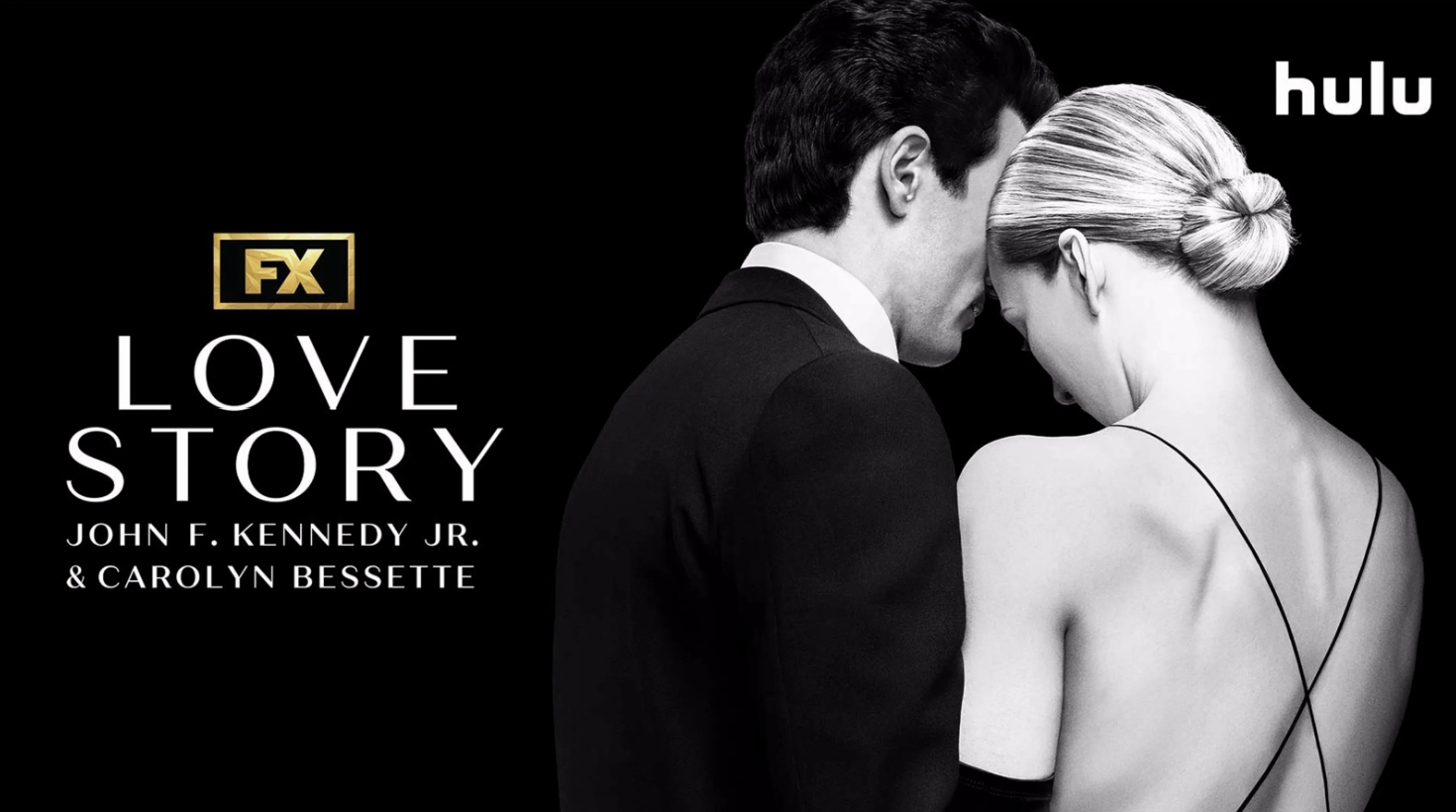
Source: Disney+.com
你看了《The Love Story: John F. Kennedy Jr. and Carolyn Bessette》这部剧集了吗?它自播出后在北美爆红,特别是年轻一代,正在重新发现这对当年的 It couple。Carolyn 的极简主义风格再次被奉为经典,她那种干净利落、毫不费力的优雅气质也重新成为许多人模仿的对象,甚至现在已经有些“过时”的 Calvin Klein,也因为这一波 nostalgia 而重新引人注目。
作为90年代在纽约生活的上一代人,我看这部剧时最大的感受就是90年代的纽约,有一种今天已经很难复制的气质。
那时的纽约,市长朱利安尼正以铁腕整顿治安,城市的秩序明显改善;与此同时,华尔街一片繁荣,整个金融区都弥漫着一种钱在流动的感觉。那时候我在华尔街附近的一家日本餐馆打工,如果股市行情好,那些 trader 心情大好,常常会来点一条简单的加州卷,却随手留下100美元的小费。那种慷慨的消费,让我当时甚至认真想过:要不要就在餐馆干一辈子,因为钱似乎来得太容易了。
与此同时,SoHo、Tribeca 和 West Village 也正在成为艺术、媒体与时尚的时髦区域。我记得自己常常一个人跑到 SoHo,在街角找一家咖啡馆坐下来,什么也不做,只是看着街上来来往往的漂亮人儿。那时的纽约充满创造力,魅力与高级的繁华,是一种 gritty 与 glamorous 并存 的感觉。后来我离开了纽约,这些年也常常回去,但现在的纽约当然依旧独特,只是90年代那种迷人的气息,似乎已经很难再复制。
回到 JFK Jr. 和 Carolyn 的故事,他们的魅力其实也来自他们所处的时代。那是社交媒体出现之前最后一个 “神秘名人时代”,大众并不会每天看到名人的生活,他们通常只出现在杂志封面、偶尔的街拍或者某些社交场合。正因为曝光有限,每一张照片都显得格外有故事感。Carolyn 的一张街拍,可能会被反复讨论很多年。这种稀缺性让他们更像是一种文化符号,而不仅仅是普通的名人。
他们两个人的组合,也代表了当时纽约非常典型的一种文化交汇:政治世家与时尚文化的融合。JFK Jr. 来自美国最传奇的政治家族,而 Carolyn 则是 Calvin Klein 的时尚高管。当他们一起出现在纽约街头或晚宴上时,几乎就像是美国传统权力与纽约时尚文化的交汇点。更特别的是,他们身上既有权力与时尚的光环,却又带着一种克制、安静甚至略带神秘的气质。正是这种独特的气场,让他们成为许多人心中 最具纽约精神的一对 It couple。
如果让我用几个词来形容 90年代纽约的整体气质,大概是:性感、聪明、克制、不刻意,还带着一点点边缘的锋芒。那时的纽约不像今天这样高度商业化,而更是一种带着强烈文化自信的城市气质。对我来说,90年代的纽约不仅是一座城市,更是我人生成长的重要阶段。那段时间在纽约的生活,让我第一次真正感受到一个世界级城市的节奏、审美和野心,也在不知不觉中影响了我后来的人生选择与视野。或许正因为如此,当我今天再回头看 JFK Jr. 和 Carolyn Bessette 的故事时,更像是在重新想象那个曾经让我深深迷恋、也深深塑造过我的纽约。
JFK Jr., Carolyn Bessette, and the New York That No Longer Exists
Have you watched Hulu’s new series “The Love Story: John F. Kennedy Jr. and Carolyn Bessette”? Since its release, the series has become a sensation across North America. A younger generation, in particular, is rediscovering this iconic It couple of the 1990s. Carolyn Bessette’s minimalist style is once again being celebrated as timeless. Her clean, effortless elegance has become something many people are trying to emulate, and even Calvin Klein, a brand that had started to feel somewhat dated, has found renewed attention thanks to this wave of nostalgia.
As someone who lived in New York in the 1990s, watching the series reminded me of something very clear: New York in the 1990s had a character that is almost impossible to replicate today.
Back then, Mayor Giuliani was cracking down hard on crime, and the city’s sense of order was visibly improving. At the same time, Wall Street was booming. You could almost feel the money moving through the financial district. In those days, I was working at a Japanese restaurant near Wall Street. When the market had a good day, traders would come in, order something as simple as a California roll, and leave a $100 tip on the table. That kind of generosity made me seriously wonder at one point whether I should just work in that restaurant forever, because the money seemed almost too easy.
At the same time, SoHo, Tribeca, and the West Village were emerging as fashionable centers for art, media, and fashion. I remember often going to SoHo alone, finding a small café on a street corner, and simply sitting there doing nothing but watching the people passing by. The pedestrians always seemed so striking, effortlessly dressed, purposeful in their stride, quietly confident. Watching people was almost an art form in itself. New York at that time was full of creativity, charm, and a kind of refined urban glamour. It was a city that felt both gritty and glamorous at the same time. I eventually left New York, and I still return often. The city remains unique, of course, but that particular magic of the 1990s feels difficult to recreate today.
Returning to the story of JFK Jr. and Carolyn, their appeal also comes from the era they lived in. It was the last “mysterious celebrity era” before social media. The public did not see celebrities' daily lives 24/7. They appeared only on magazine covers, in the occasional street photograph, or at select social events. Because their exposure was limited, every image felt meaningful. A single candid photo of Carolyn on the street could be discussed for years. That rarity made them feel more like cultural symbols than some over-exposed modern celebrities.
Their relationship also represented a very particular cultural intersection in New York at the time: the meeting of political legacy and fashion culture. JFK Jr. came from one of America’s most legendary political families, while Carolyn was a fashion executive at Calvin Klein, at the center of the minimalist aesthetic that defined the era. When they appeared together on the streets of New York or at social gatherings, they seemed almost like the convergence of traditional American power and New York’s fashion world. What made them especially captivating was that, despite the aura of power and glamour surrounding them, they carried themselves with restraint: quiet, composed, and slightly mysterious. That unique presence is why many people still see them as the It couple that most perfectly embodied the spirit of New York.
If I had to describe the overall character of New York in the 1990s in just a few words, it would be: sexy, intelligent, restrained, effortless, with a subtle edge. It was not as commercialized or overexposed as today’s city. Instead, it had a strong sense of cultural confidence. For me, the New York of the 1990s was more than just a place, it was an important turning point in my own life. Living there during that period allowed me to experience, for the first time, the rhythm, aesthetics, and ambition of a truly global city. It shaped my perspective and influenced many of the choices I would make later in life.
Perhaps that is why, when I revisit the story of JFK Jr. and Carolyn Bessette today, it feels less like revisiting a celebrity romance and more like reimagining the New York that once captivated me, and helped shape who I became.